GENERAL INTRODUCTION

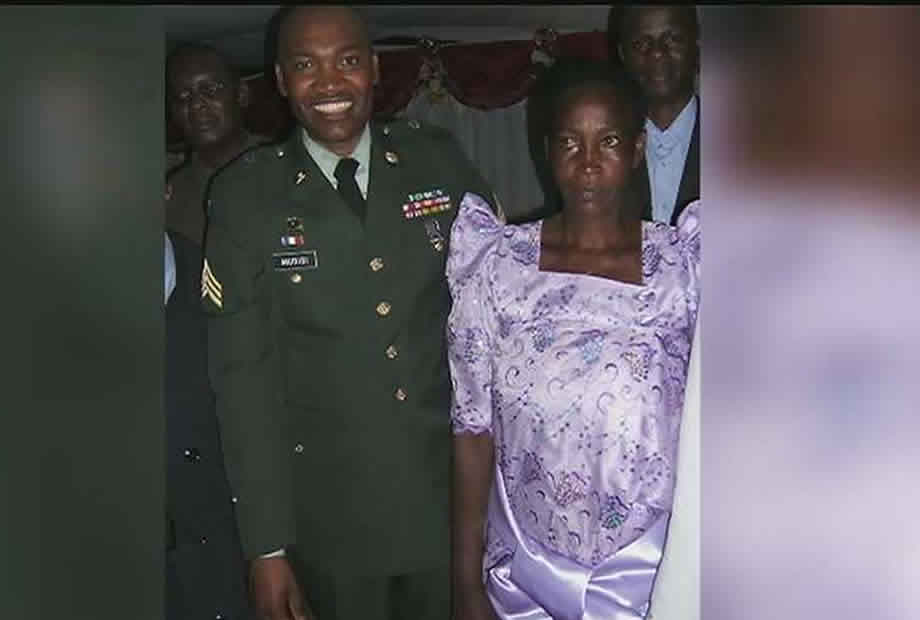
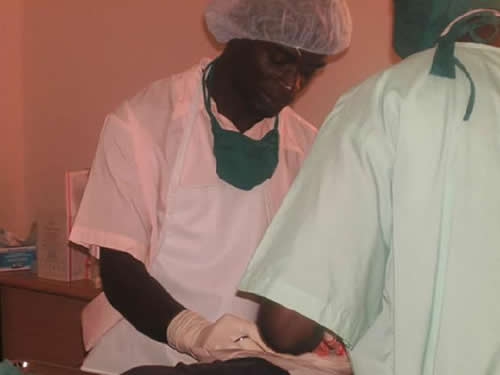
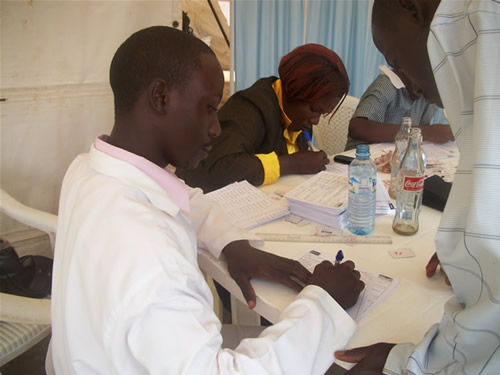
Ssese Islands African Aids Project, (SIAAP) is a community based Non Governmental Organization ( NGO) that was started in 2003 by a U.S. Army officer , LT Frank Musisi . A native of Ssese Islands Lieutenant Musisi in collaboration with the local leaders in Kalangala and other volunteers developed SIAAP as a community response to the HIV/AIDS pandemic in Kalangala where services for counseling, testing, treatment and care are lacking. SIAAP was officially incorporated in the state of Florida, USA on October 21, 2005 as a Non-profit Organization. The organization was also registered with the NGO board in December 2004 in the Republic of Uganda .

The overall goal of the association is to improve the living conditions of the people through community outreach and especially targeting the high-risk groups, (fishing communities, youth, pregnant women, adolescents) people living with HIV/AIDS, and the orphans in Kalangala district.

DISTRICT PROFILE

LOCATION:

Kalangala is located in Lake Victoria and is made up of 84 Islands . It is surrounded by districts of Masaka and Rakai to the West, Mpigi/ Wakiso/ Mukono to the North, the republic of Kenya to the East and in the South by the Republic Tanzania.

Administrative units:

There are two counties namely: - Bujjumba and Kyamuswa . It has 6 sub-counties with 15 parishes and one Town council, Kalangala.

The headquarters are at Kalangala Township on Bugala, the Main Island .

The present population as referred to the recent population census 2002 is 36,661 people with a ratio of men to women being 1:1.5.

HEALTH INFRASTRUCTURE:

There are TWO Health Sub-Districts (HSDs) and these are;

1) Bujjumba HSD and,

2) Kyamuswa HSD.

In these two HSDs, there is NO Hospital! However, they are 10 Health facilities scattered all over the district at sub-county level.

These health units are under the following categories: -

•  Health center IV - 2

•  Health centre III - 4

•  Health centre II - 4

SIAAP PROGRAMME:

With the increasing spread of HIV/AIDS in the district, which has few health care service facilities. It is becoming impossible to provide institutionalized management and care for persons living with HIV/AIDS.

The prejudice, stigma and community negative attitude towards persons living with HIV/AIDS discourages people from seeking treatment for opportunistic infections (TB, lungs skin, STDs) that could be cured.

SITUATIONAL ANALYSIS

Current figures with regards the prevalence rate of HIV/AIDS in the district is hard to come by, because of the lack of HIV/AIDS testing centers in the district. It is estimated that of the 500 cases of TB received each year 75% of these eventually develop HIV/AIDS symptoms according to Mr. Livingstone Musoke the district TB Supervisor, Kalangala district.

The district lacks human, financial and institutional capacity to provide institutionalized management through Voluntary Counseling, Testing and Care of persons living with HIV/AIDS including the terminally ill who require palliative care.

According to the population census of 2002, the ratio of women to men is 1:1.5, which promotes prostitution resulting in transmission of STDs.

Majority of the people in Kalangala stay at landing sites, and are basically involved in fishing as their major source of livelihood. These landing sites are crowded, the living conditions and hygiene is pathetic, which necessitates more sensitization and awareness. According to locals, the women at these landing sites are widows from the main land who go to these sites for economic survival and engage in prostitution thus, enhancing the spread of HIV/AIDS in the district.

The district has two health Sub- Districts at Bujumba and Kyamuswa. The district doesn't have a Hospital and residents for that matter seek help from hospitals of neighboring districts of Masaka and Wakiso, which are however only accessible by water, making it difficult for the population to access health care.

According to the recent Sero Behavioral Survey 2004/2005, no data on Kalangala district is available.

There is therefore a need to:

1) Initiate and sustain a holistic care,

2) A community Based Care system and,

3) Eventually promoting the strategy to Home Based Care for persons living with HIV/AIDS.

AIDS being a debilitating and chronic disease reduces the families' ability to perform gainful economic activities yet their demand increase on the community, thus therefore necessitating the need for economic rehabilitation of such families.

  Ssese Islands African Aids Project
©2005 - All Rights Reserved